Email archiving is a service in which a body of emails is stored for later use and retrieval. Many of these services provide tools such as indexing, and resources for querying on stored emails. Email archiving seeks to take a somewhat transient mode of communication, and make it more permanent.
Companies use email archiving for various purposes
Some use it to protect critical data that might otherwise be lost: data about products, protocols, processes, competition and other such topics. Some use it to meet regulatory requirements for transparency and recordkeeping. Others use it for processes like e-discovery…and more of this info over at Techopedia.
How do email archiving services work?
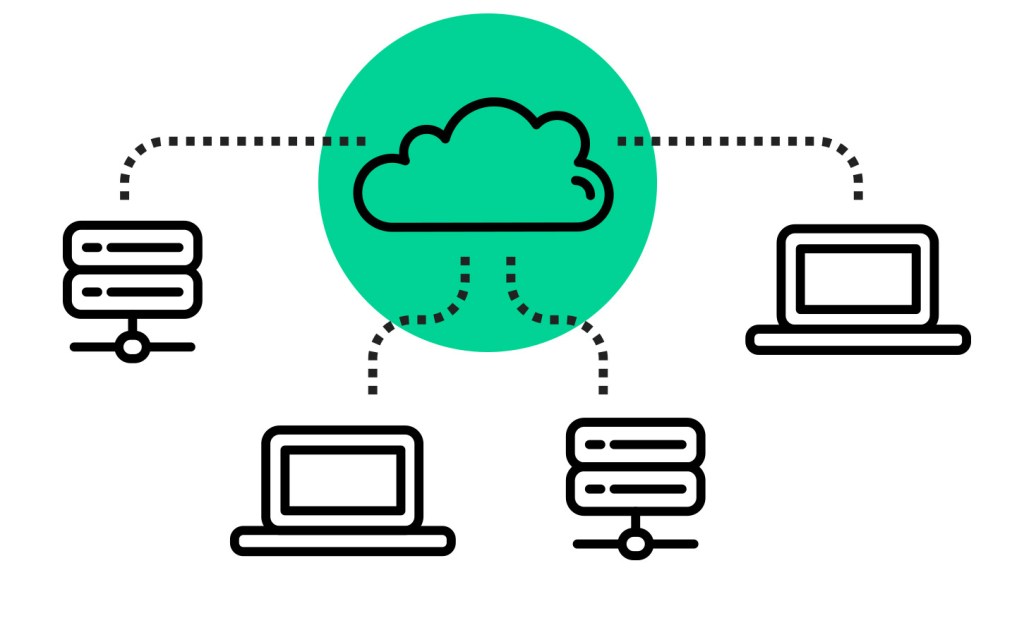
Email archiving products comprise two main functions — a means of capturing email messages and effecting their movement to a physical archive, and an archiving engine that indexes email content for search and applies policies that dictate their subsequent movement and retention.
The same things happen in an email archiving service, but offerings vary in the way those functions are split between the customer site and the provider. Some services work almost entirely in the cloud with email traffic passing through them before reaching the customer; with other services, the customer’s email infrastructure receives the email traffic, which is then journaled or copied to the service provider’s data centre.
Some providers simply offer cloud-only or journaled-only email archiving services, while others offer both.
Read more on Computer Weekly.

It is more practical
Archiving your emails in the cloud essentially translates to storing them out of sight and off the main email server. Whilst these emails will no longer be located in your inbox they will be accessible in another folder, offering your staff the practicality and convenience that you need.
In the world of business, this is a vital asset as professional correspondence can date back months or even years and companies can never be sure whether or not they will need to access old emails again. Deleting correspondence, even if it was originally received years ago, can be a risky move for busy professionals and cloud archiving is one way to ensure even accidental deletions are not disastrous…for more information, visit – BCW.

Archiving Helps Your Company Stay Compliant
Each of the industry sectors out there has very strict guidelines when it comes to archiving various types of data. If your business operates in the financial sector, you will need to abide by the regulations set forth by the Securities and Exchange Commission (SEC) regarding the archiving of your digital communications.
Protection from Frivolous Lawsuits
Archiving your emails is also a great way to keep your company safe from frivolous and baseless lawsuits. During the litigation discovery phase of these lawsuits, you can pull specific emails to help build your case. Without email archiving software in place, you may have to pay out money in a lawsuit due to your inability to prove the charges against your company are false.
Easily Retrieve Data When Needed
Are you looking for a way to increase your company’s productivity levels? Investing in email archiving software is a great way to do just that. If a customer needs information or has accidentally deleted an email on their end, you will have no problem retrieving it from your archive…visit – businessblogshub.com.
While email archiving makes it easy to manage and maintain old emails, it also gives the business complete security over their emails. Know more about enterprise email archiving and the advantages it offers to business on the link given above. An old email can be very important when you are in need of it. So, you should get the services of professional email archiving services and secure your old emails.

 My Tech Tips